Terms of Service
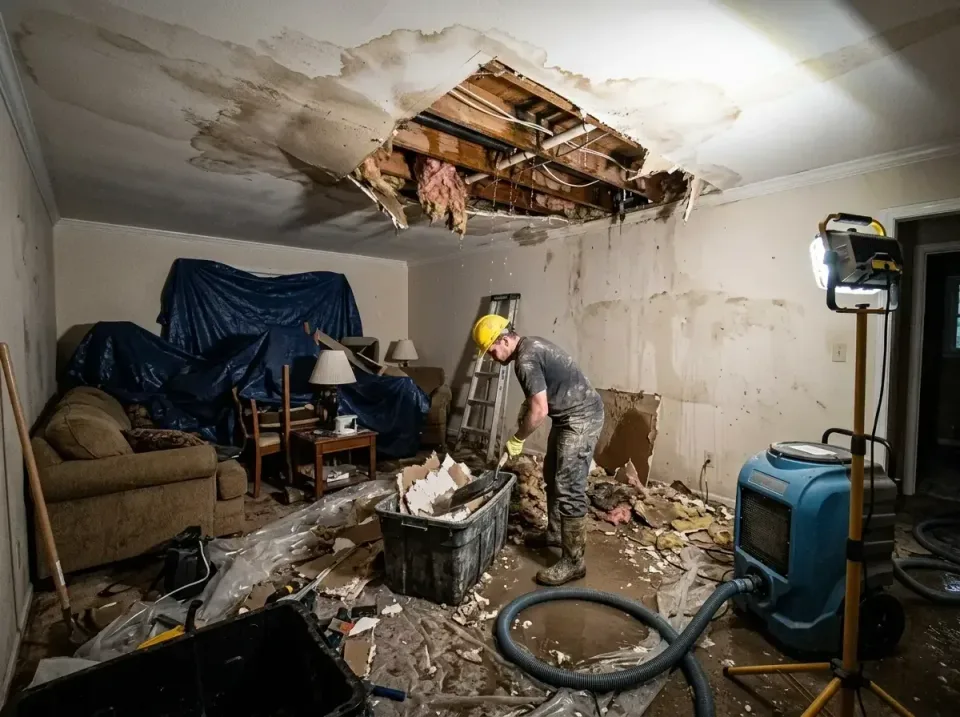
What Dallas Ceiling Restoration Covers
Emergency ceiling work covers source containment, water extraction, structural drying, limited drywall or plaster removal, moisture monitoring, and agreed cosmetic finishing. Water Damage Pros may use a thermal imaging camera to map hidden moisture, a pin-and-pinless moisture meter to check materials, and psychrometric chart readings to track drying conditions. A written structural drying plan identifies the Class 1–4 water damage and Category 1–2–3 water loss before equipment placement.
Plumbing leak source repair, roof flashing replacement, electrical work, structural engineering, asbestos abatement, and permanent mold remediation require separate approval or a licensed trade. Pre-1978 popcorn ceilings may require asbestos screening before cutting. Mold work follows the IICRC S520 Mold Standard, HEPA containment, negative air pressure, and applicable state hazardous-waste rules. Structural drying may require a local building permit; drywall disposal may include county landfill tipping fees. Refrigerant service is outside this scope unless handled under EPA Rule 608. OSHA 1926.50 fall protection requirements apply to elevated access. Call ( before disturbing a sagging panel or wet light fixture.
Appointment Changes and Emergency Dispatch Rules
A confirmed appointment begins with the service address, property access, contact person, suspected source, and requested work. Water Damage Pros may provide 24-hour emergency response dispatch for active ceiling leaks, subject to technician availability, travel conditions, and safe access. Customers should secure pets, clear a path, and avoid energized fixtures; the electrical circuit isolation step may require breaker-panel lockout before inspection.
Cancel or reschedule as soon as possible by calling ( or emailing contact@dallaswaterdamagecleaning.com. An arrival window is not a promise of completed repairs because hidden moisture, unsafe flooring, a blocked attic pull-down ladder, or a required permit can change the visit. Scope changes require customer approval before added labor, equipment, disposal, or materials begin. A multi-family residential complex, commercial office building, or hotel may need an authorized property manager on site. Insurance documentation can be affected by delay, so report a covered loss within the insurer’s stated period; many policies use a 48-hour reporting window.
Written Quotes, Added Work, and Payment Approval
A quote describes the observed work, materials, equipment, disposal, and known exclusions; it is not a promise that concealed damage will remain unchanged. Water Damage Pros may revise the estimate after opening a ceiling, checking a wall cavity with a pin-type moisture meter, or finding a Class 3 Water Loss. Customers receive the reason for a change and must approve added scope before non-emergency work proceeds.
Insurance estimates may be organized through Xactimate, but an adjuster’s approval does not replace the customer’s payment responsibility. An insurance adjuster site visit, permit, engineered beam review, mold testing, county landfill tipping fees, or hazardous-waste handling may be billed separately when included in the approved scope. A full 4×8 drywall sheet, plaster lath, acoustic tile grid, paint matching, drying equipment, and labor can each affect the total. Payment timing and accepted methods are stated in the signed estimate or invoice. Final payment is due under that document, subject to any written moisture-clearance condition. Ask for clarification before signing rather than assuming a verbal discussion changes the quote.
Written Workmanship Commitments and Exclusions
Water Damage Pros stands behind only the workmanship coverage stated in the signed estimate, invoice, or separate written warranty. No blanket duration is created by this page. Coverage applies to the identified repair work, such as a drywall patch and mud finish, stain-blocking primer application, paint blend, or drop-ceiling grid reinstallation, subject to the document’s conditions.
Coverage does not ordinarily include new leaks, plumbing or roof defects, movement in framing, pre-existing stains, hidden mold, condensation, settlement, customer-supplied materials, misuse, or repairs altered by another contractor. A moisture target under 15% wood MC may be required before finish work; painting over damp material can cause blistering and does not convert a drying problem into a workmanship defect. The IICRC S500 Water Damage Standard guides drying practices, while the IICRC S520 Mold Standard applies to mold-related work. EPA RRP Rule 40 CFR 745 may affect work on older painted surfaces. Report a suspected defect promptly with photos and access to the area. Water Damage Pros will review the written scope and determine the appropriate inspection or correction.
Responsibility for Existing Conditions and Job Risks
To the extent allowed by law, Water Damage Pros’s liability for a claim arising from covered services is limited to the amount paid for the specific service that caused the claim. Water Damage Pros is not responsible for pre-existing conditions, hidden framing failure, ongoing leaks, mold growth after delayed access, asbestos, unsafe wiring, or damage caused by another trade, occupant, insurer, weather event, or failure to follow drying instructions.
Customers must disclose known hazards, protect valuables, provide safe access, and keep the source shut off when possible. A local building permit for structural drying, OSHA 1926.50 fall protection requirements, and IICRC S500 water damage restoration guidelines may affect the work sequence. EPA Rule 608 controls refrigerant handling when applicable; it does not make Water Damage Pros responsible for an HVAC defect. State hazardous-waste disposal rules may require separate mold handling, and county landfill tipping fees may change drywall disposal costs. Nothing here removes rights that cannot legally be waived. Customers should photograph existing damage and promptly report concerns before concealment, repainting, or third-party repairs.
Questions About Water Damage Pros Terms
Questions about these terms, a quote, or an active Dallas ceiling repair can be directed to Water Damage Pros at ( or contact@dallaswaterdamagecleaning.com. Written notices may be mailed to 2425 N Stemmons Fwy, Suite 220, Dallas, TX 75207, US. Include the service address, invoice or estimate number, and a short description so the request can be routed correctly.
Customers may ask about a structural drying plan, moisture readings, an IICRC WRT certification, disposal records, or the difference between restoration and replacement. Records may include a thermal imaging camera image, air mover placement diagram, daily moisture log, or Mold Remediation Plan when the approved scope calls for them. A request for information does not pause payment or authorize added work. Water Damage Pros may update these terms by posting a revised version on this website or by sending notice through the contact information available for the account. The revised terms apply as stated in that notice and do not retroactively change a signed estimate unless the parties agree in writing.
Recent Projects Gallery
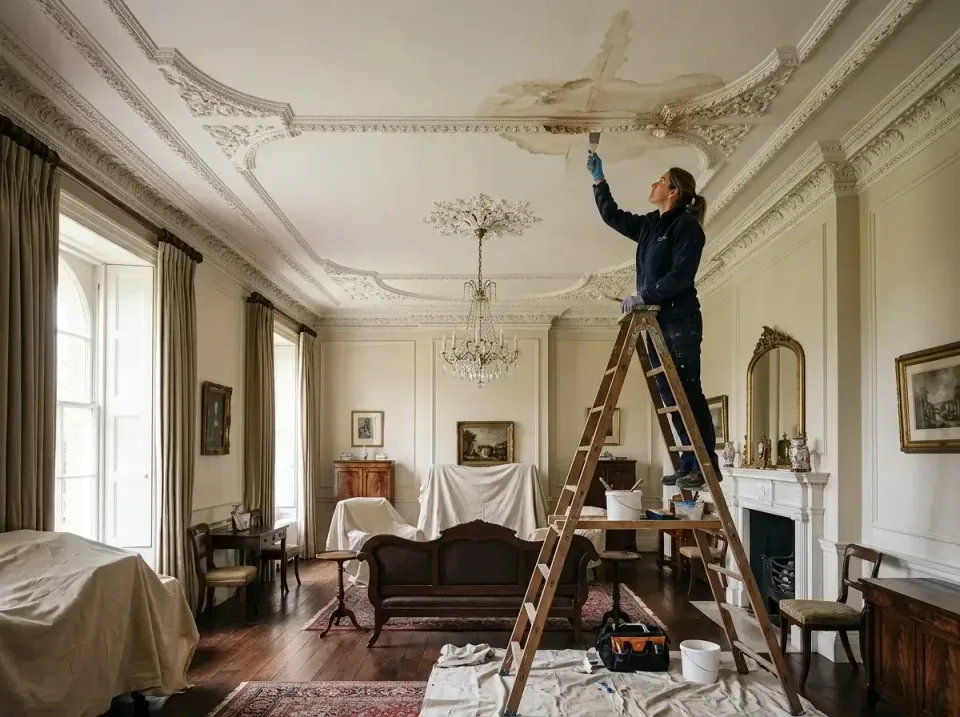
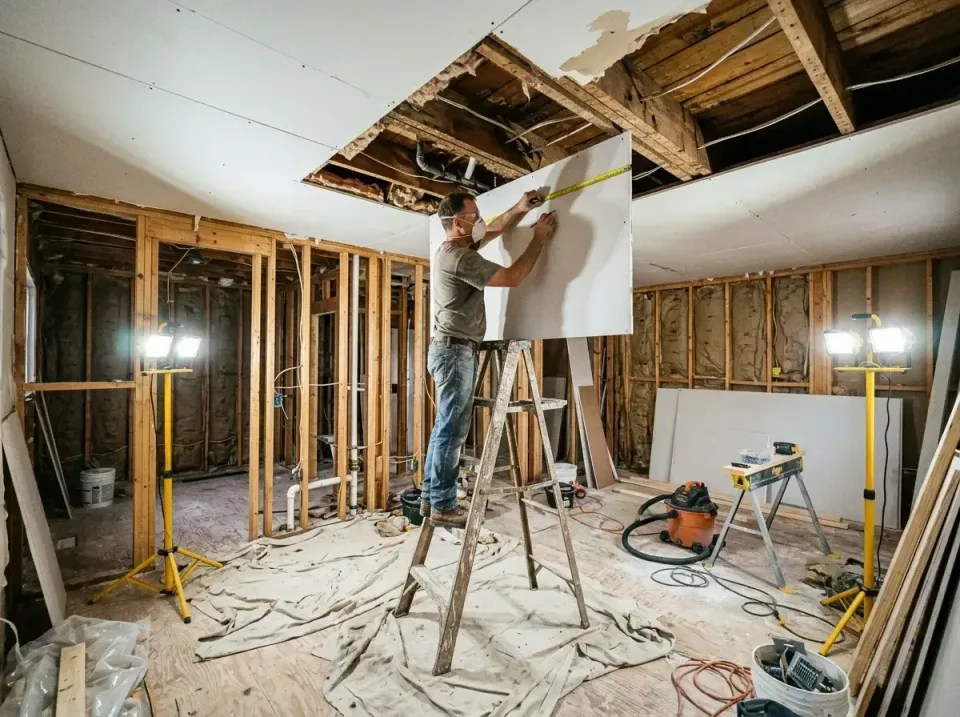
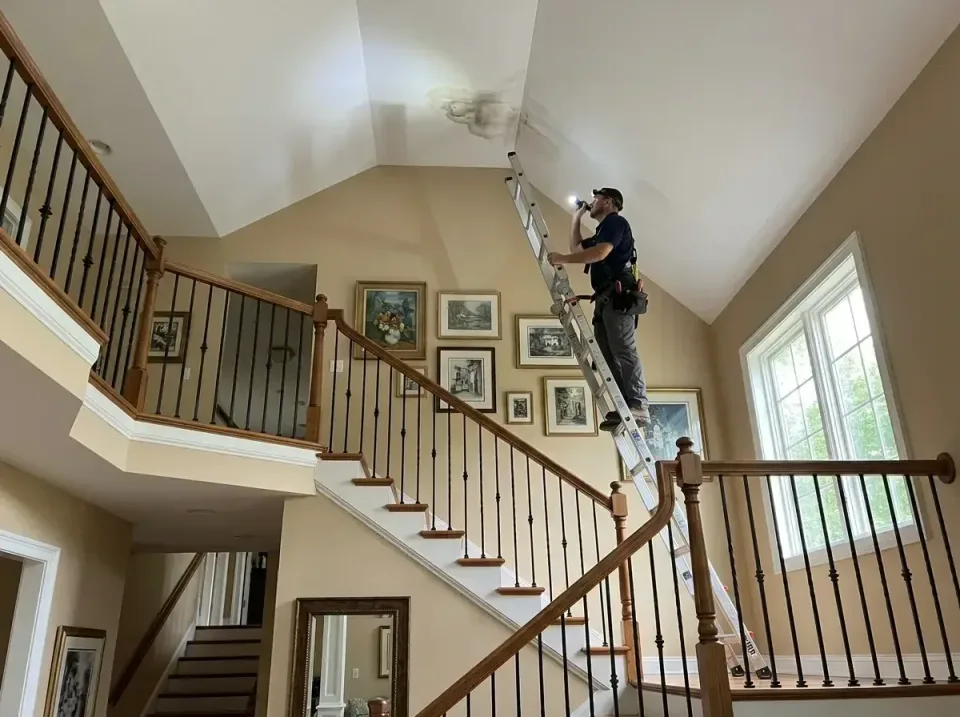
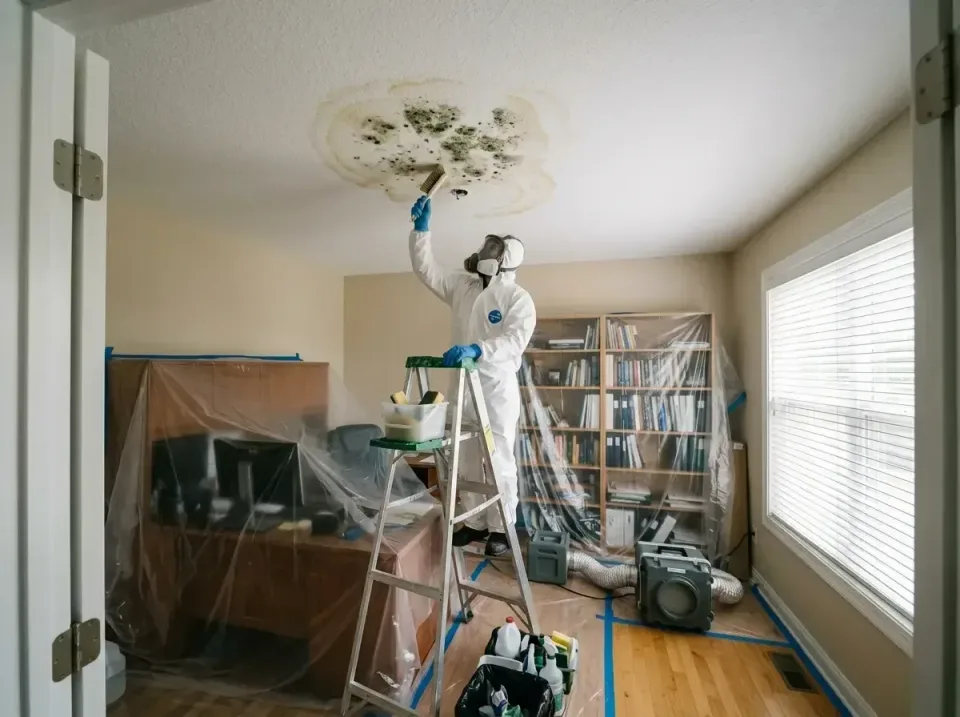
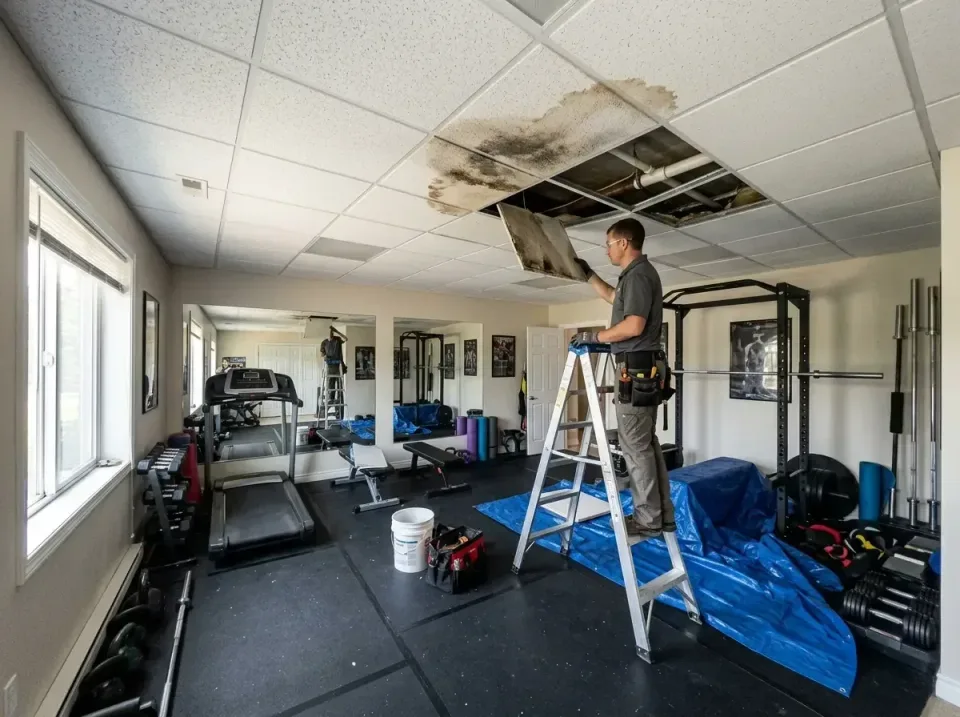
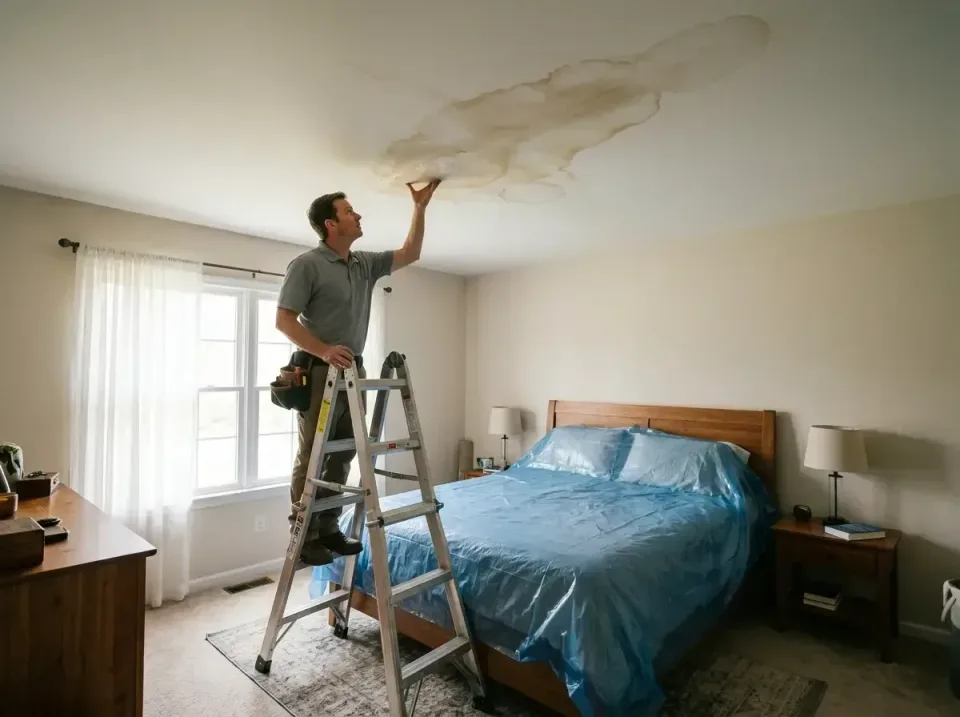
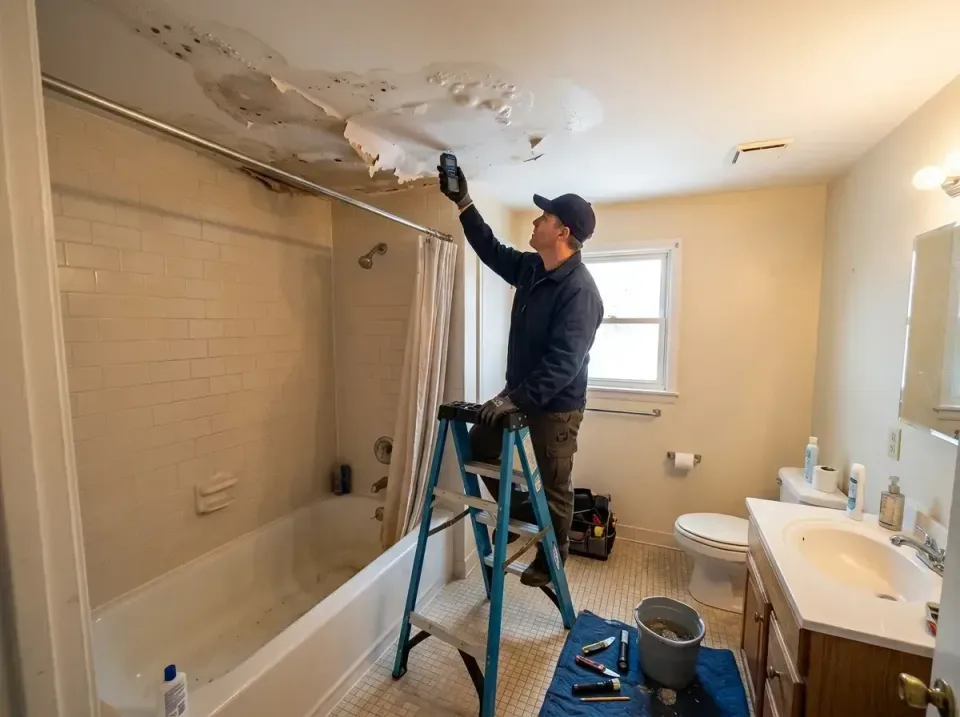
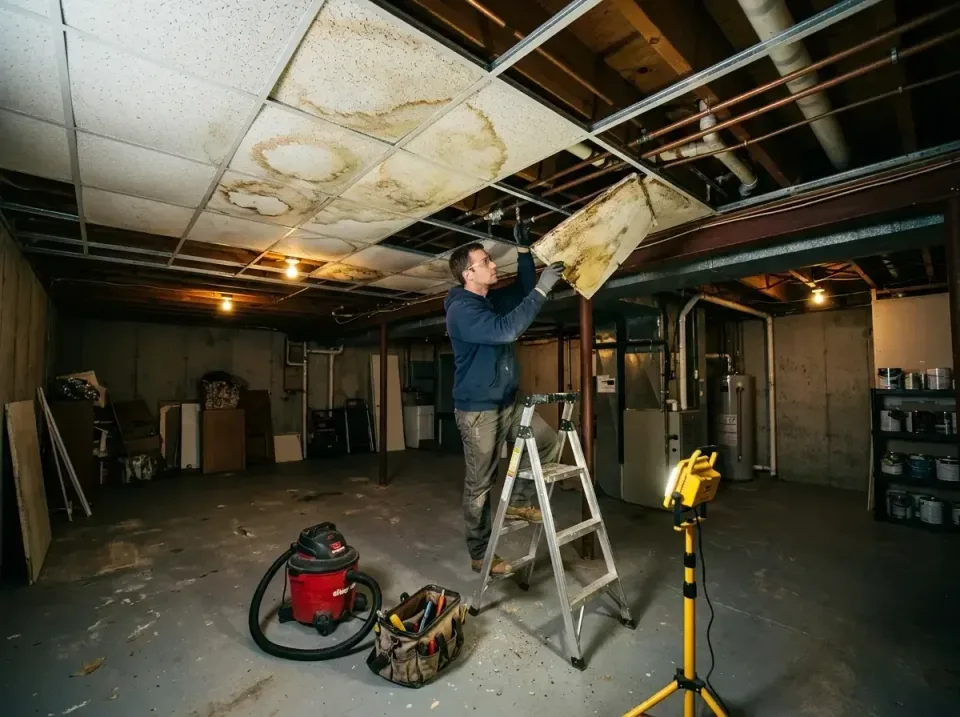
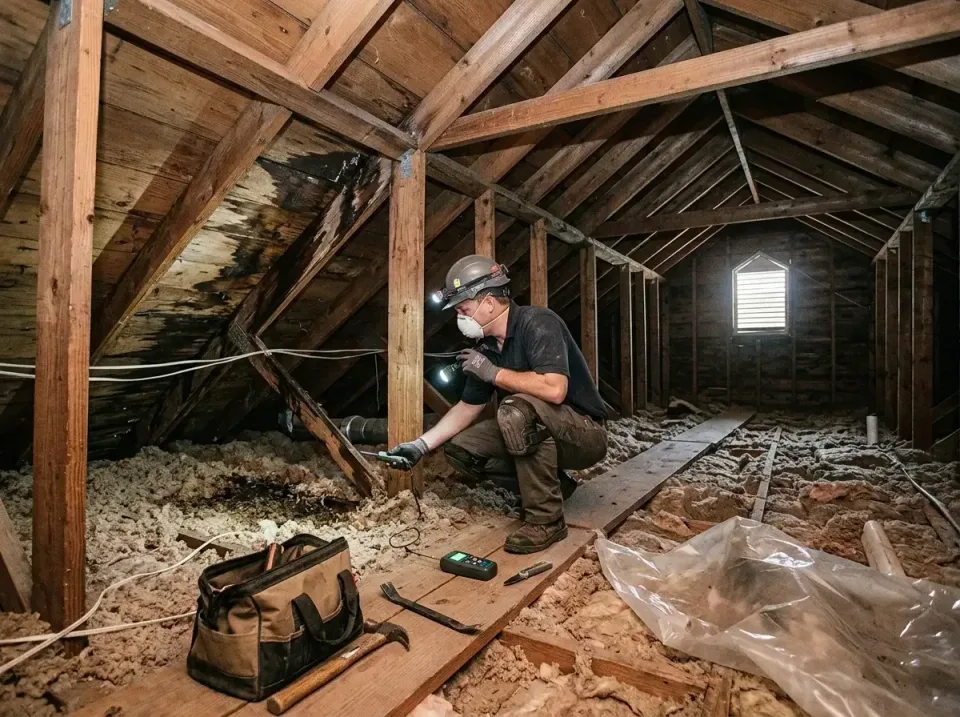
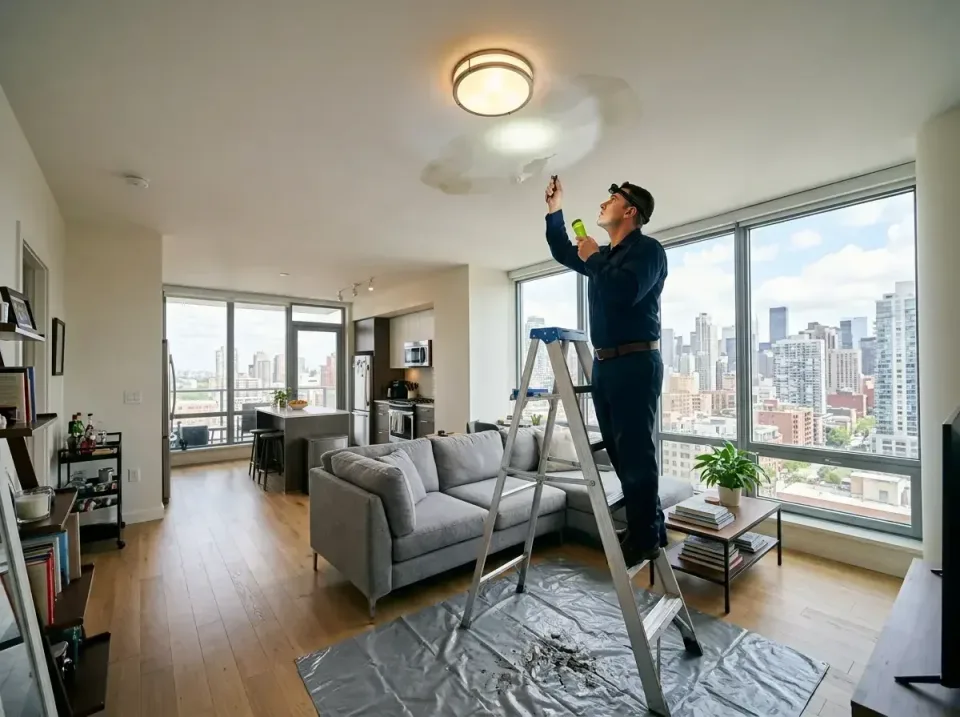
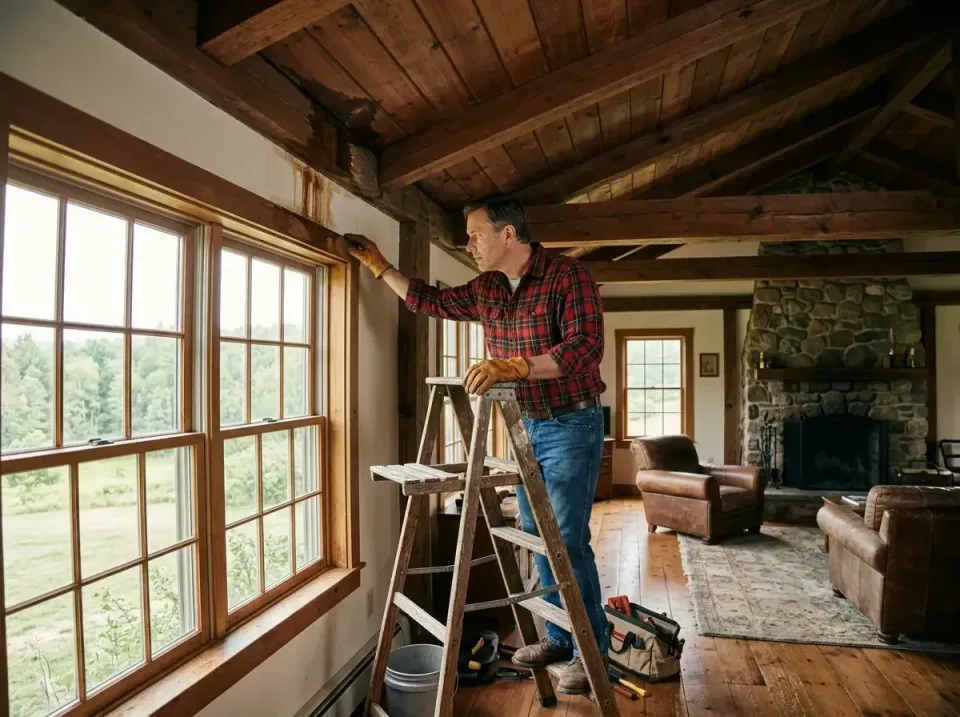
Recent emergency 24 hour ceiling water damage repair project photos in Dallas.
Browse by State
Select your region to see local emergency 24 hour ceiling water damage repair providers and cities we cover.
Show all 250 regions
Request a Quote in Dallas
Fill in the details below and a local emergency 24 hour ceiling water damage repair provider will follow up. Or call us directly: (833) 710-2743
Need Emergency 24 Hour Ceiling Water Damage Repair in Dallas?
Call or email us directly — we'll get back to you fast.