What Certifications Prove a Contractor Follows IICRC S500 Guidelines?
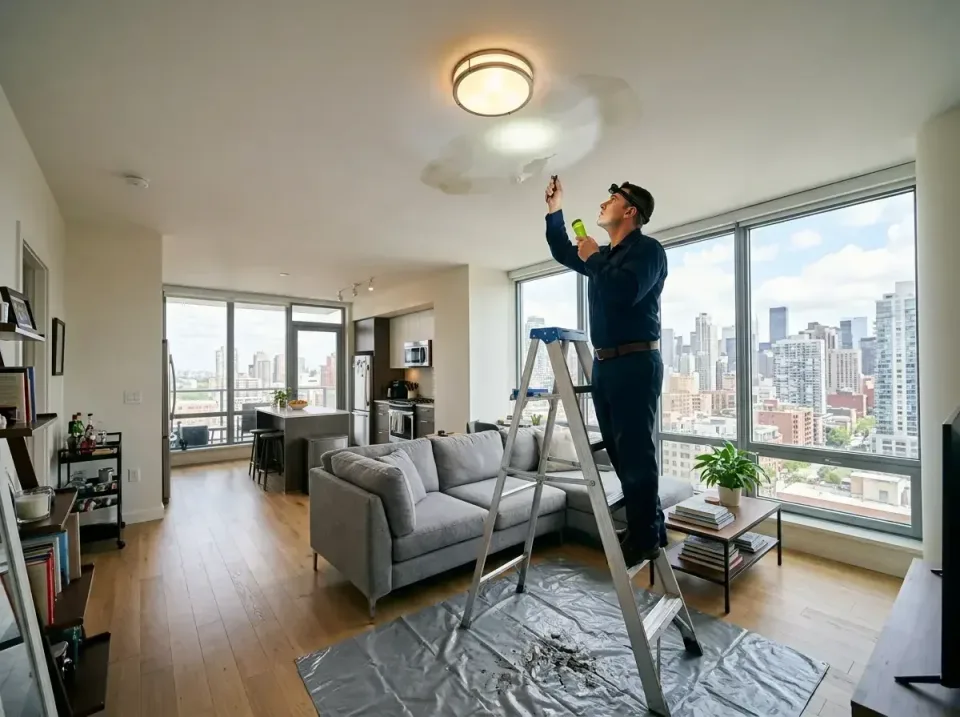
IICRC WRT Certification and Ceiling Water Losses
Is water dripping from the ceiling center, or is a brown ring spreading across drywall? A contractor with IICRC WRT certification should identify the source, document the Category 1–2–3 water loss, and set a drying plan rather than paint over the mark. In Dallas, a plaster crack near a light fixture also calls for electrical isolation before inspection. Ask to see the technician’s current credential, written scope, moisture readings, and explanation of the IICRC S500 process. Water Damage Pros helps homeowners arrange emergency ceiling water damage repair in Dallas and across all service areas, while regional water damage restoration resources can help readers compare how restoration firms describe their credentials.
Five S500 Checks for a Damaged Ceiling
- Dripping center: A thermal imaging camera can help map a concealed wet area before a ceiling opening gets larger.
- Spreading brown ring: A moisture meter pin & pinless should support moisture mapping, not replace an inspection of the plumbing source.
- Cracked plaster: A plaster lath assessment distinguishes a cosmetic surface repair from framing or substrate damage; the IICRC S500 water damage restoration guidelines support documenting that decision.
- Musty odor: Mold growth risk within 24–48 hours makes a written structural drying plan more useful than an immediate coat of paint; water loss assessment guidance can provide another restoration terminology reference.
- Sagging gypsum board: An air mover placement diagram shows where equipment will direct airflow, while daily readings should support the drying record rather than a guess based on surface appearance.
What an IICRC Credential Actually Shows
An IICRC WRT certification shows that a technician has training in water extraction and restoration practices; it does not automatically prove that every repair follows the IICRC S500 Water Damage Standard. Ask who will inspect the ceiling, what water category and damage class they recorded, and whether the company will provide a structural drying plan. A brown ring may be shallow staining, but a sagging gypsum board panel can indicate wet insulation, framing movement, or a hidden plumbing leak. Ed Cross, an IICRC co-founder and restoration pioneer, helped shape the professional restoration field, while the standard itself gives contractors a common framework for documenting drying decisions.
Equipment and Records Matter More Than a Badge
A credible inspection connects equipment to a written finding. A thermal imaging camera can reveal a cold or wet pattern, and a pin-type moisture meter can check wall cavities where an infrared image alone cannot confirm moisture. Psychrometric chart readings temperature, humidity, and moisture relationships help determine whether air movers and dehumidification are actually changing conditions. Look for an air mover placement diagram, daily readings, affected-material photographs, and a final moisture comparison. IICRC S500 compliant drying is an industry standard protocol, not a promise that every ceiling can be saved. A medical clinic, for example, may require tighter containment and sterile-environment procedures than a single-family room; restoration process information can help explain why documentation differs by property.
S500, S520, and Cosmetic Finishing
A musty smell after heavy rain may point to concealed moisture, but odor alone does not establish mold. If visible growth or contamination is found, the IICRC S520 Mold Standard becomes relevant alongside S500 drying practices. A contractor should explain containment, HEPA filtration, and the point at which a Mold Remediation Plan is needed. For a popcorn ceiling, ask for a popcorn texture match test before spraying; older material may require a certified asbestos screening step. For painted drywall, restoration may include a stain-blocking primer shellac base after the substrate is dry, followed by interior painting and texturing. Cosmetic touch-up cannot correct a leak, wet insulation, or a failed ceiling attachment.
Questions to Ask Before Hiring
Ask to see the technician’s IICRC credential, not just a company logo, and request the proposed equipment count, monitoring schedule, and source-containment steps. A contractor should identify whether plumbing leak source repair, roof flashing replacement, or HVAC condensate drain cleaning is needed before reconstruction. OSHA Respiratory Protection 29 CFR 1910.134 matters when mold work requires respiratory protection, and recessed lighting requires an electrical disconnect before ceiling access. If the provider cannot explain the difference between drying and replacement, obtain another inspection. Water Damage Pros can document the ceiling condition, coordinate the appropriate trade, and prepare a clear repair path for a Dallas property.
S500 Credentials Compared With Repair Choices
The IICRC S500 first edition was published in 1995, but the credential is only useful when the contractor applies its principles to the actual ceiling. A 4x8 drywall sheet may be cut into a half-sheet for safer handling, while a 150-pound attic floor rating should be checked before placing workers or equipment overhead. Keep indoor relative humidity near the 50 percent limit during drying; the 96-hour mold growth threshold explains why delayed action can change the scope. Contractor restoration practices may help readers recognize the difference between a surface repair and documented mitigation.
| Option | Best for | Key detail |
|---|---|---|
| Drywall patch and mud finish | Localized gypsum damage | Uses a 4x8 sheet when larger replacement is needed |
| Plaster lath and scratch coat | Historic plaster | Requires substrate assessment before refinishing |
| Popcorn texture repair | Textured ceiling | A match test and asbestos screening may be needed |
| Structural beam support | Sagging ceiling | Uses framing evaluation before cosmetic work |
Six Emergency Steps for Certified Water Restoration
- Dispatch: Request 24-hour emergency response dispatch and ask whether the technician holds an Institute of Inspection Cleaning and Restoration Certification credential relevant to water restoration.
- Protect: Complete room furniture protection setup with canvas drop cloth layering, then use temporary plastic room sealing to limit dust movement.
- Isolate: Shut off the source leak and perform an electrical circuit isolation step before opening a ceiling near a light fixture.
- Inspect: Record the water category, photograph damage, and use a moisture meter before selecting extraction or replacement.
- Contain: If mold is suspected, follow the IICRC S520 Mold Standard, use an N95 respirator as minimum PPE, and handle used desiccant media bags under the applicable waste procedure.
- Verify: Keep daily moisture readings and schedule the final inspection only after the drying record supports clearance.
Typical S500-Informed Ceiling Repair Costs
Credentialed planning does not create one fixed price; the scope changes when hidden moisture, framing, or contamination is found. In Dallas, a small ceiling opening may remain a minor patch repair at $300–$800, while full room drying commonly runs $1,200–$3,500 because moisture mapping and dehumidification take more labor and equipment. A mold remediation zone may cost $2,000–$6,000, and a structural beam assessment is often $500–$1,500 for an engineered inspection report. Replacing a full 4×8 drywall sheet or reinforcing with 2x4 SPF framing lumber can add material and finishing work. Mold growth risk within 24–48 hours makes prompt inspection useful, but regional labor and disposal rates still matter. Final prices vary by hidden moisture, materials, and local rates.
Use Five Measurements Before Approving Ceiling Repairs
A thermal imaging camera can show where to investigate, but a moisture meter pin & pinless confirms whether the cavity or framing is wet. Psychrometric chart readings then show whether the room can dry at the planned rate; balloon framing access may be needed in older construction.
Ask the contractor to classify the loss as Class 1–4 water damage and explain how that classification changes equipment, removal, or monitoring. The practical test is a documented measurement trend, not a ceiling that merely feels dry.
Common mistake: Accepting a stain cover-up before the source, cavity moisture, and affected insulation have been checked.
Choose Documented Ceiling Repair in Dallas
The most useful proof is a current IICRC WRT credential paired with an inspection, moisture map, equipment plan, and clear explanation of S500 practices. If water is dripping from the ceiling center or a musty smell returns after heavy rain, ask for plumbing leak source repair before approving cosmetic finishing. Where mold is suspected, a mold remediation certification test with third-party lab sampling can help confirm the next step. Water Damage Pros can coordinate ceiling water damage repair, drying, and interior painting and texturing for Dallas homes. Review all service areas if the property is outside the city, then request an inspection and documented scope from Water Damage Pros.
Services We Offer in Dallas
Explore related services available in Dallas.
Homeowners and property managers book Dallas ceiling drying, leak repair, drywall replacement, and finish restoration.
Homeowners, contractors, and property managers book Dallas water-stained ceiling repair, stain sealing, drywall patching, and finish painting.
Dallas homeowners, contractors, and property managers book us to trace ceiling leaks, coordinate pipe repairs, and limit interior water damage.
Homeowners and property managers book Dallas ceiling repair for bulging drywall, loose plaster, and water-damaged overhead surfaces.
Homeowners, contractors, and property managers book Dallas drywall ceiling repair after leaks, storms, and plumbing failures.
Homeowners, contractors, and property managers book Dallas popcorn ceiling repair after leaks, stains, texture loss, or water damage.
Homeowners and property managers book Dallas plaster ceiling repairs for leaks, cracks, stains, and damaged lath.
Dallas homeowners and property managers book ceiling mold removal for damp drywall, plaster, acoustic tile, and hidden leak damage.
Homeowners, contractors, and property managers book Dallas acoustic tile repair for wet tiles, damaged grids, and ceiling leaks.
Local bathroom ceiling water damage repair for Dallas with clear pricing drivers, weight limits, and scheduling you can plan around.
Home cleanouts and moves in Dallas need driveway-friendly placement and the right container size — basement ceiling water damage repair without surprise reload fees.
Homeowners, contractors, and property managers book Dallas kitchen ceiling repairs for leaks, stains, sagging drywall, and moisture damage.
Furniture, boxes, and household junk from Dallas properties — attic water damage & ceiling repair with clear rental days and pickup timing.
Condo & Apartment Ceiling Water Damage Repair in Dallas — practical container sizing, placement guidance, and disposal rules explained before you book.
Homeowners, landlords, and property managers book Dallas claim assistance for ceiling loss documentation, drying, and repair coordination.
Homeowners, contractors, and property managers book Dallas ceiling inspections with clear repair scopes and itemized estimates.
Homeowners, contractors, and property managers book Dallas water extraction and structural drying for wet ceilings and hidden moisture.
Ceiling leak inspection, drying, and repair for Dallas landlords and property managers handling rental damage.
Homeowners, contractors, and property managers book Dallas ceiling bubble and blister repairs after leaks or roof damage.
Roofing tear-offs pile up fast — ceiling water damage repair without drywall replacement in Dallas with weight guidance so shingle tons do not blow your landfill allowance.
Multi-story ceiling leak repair for Dallas property managers, contractors, and building owners.
Recent Projects Gallery
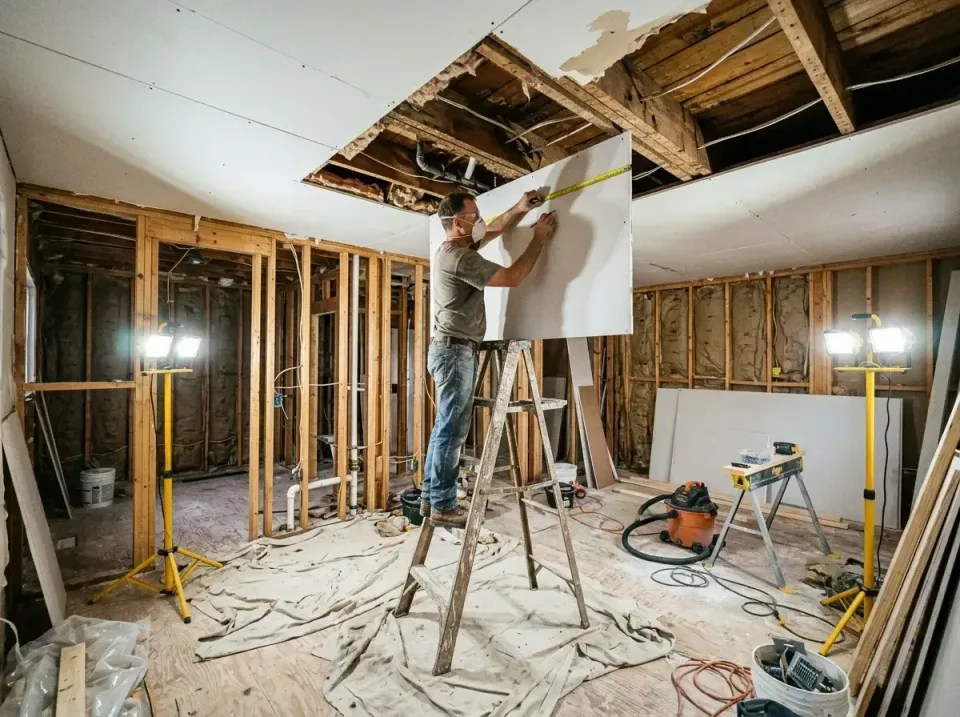
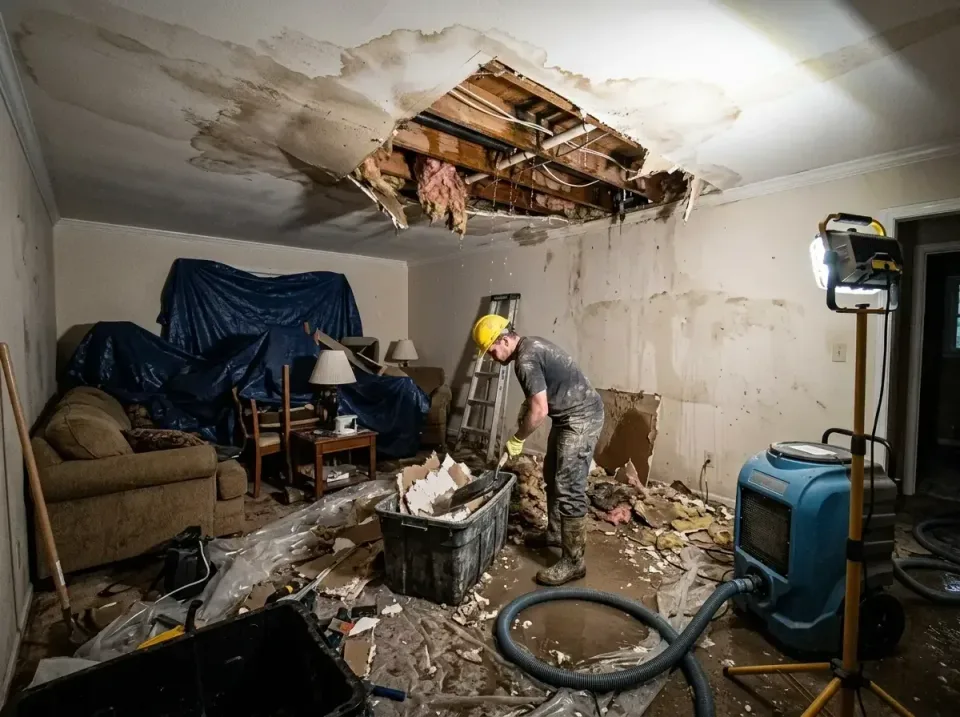
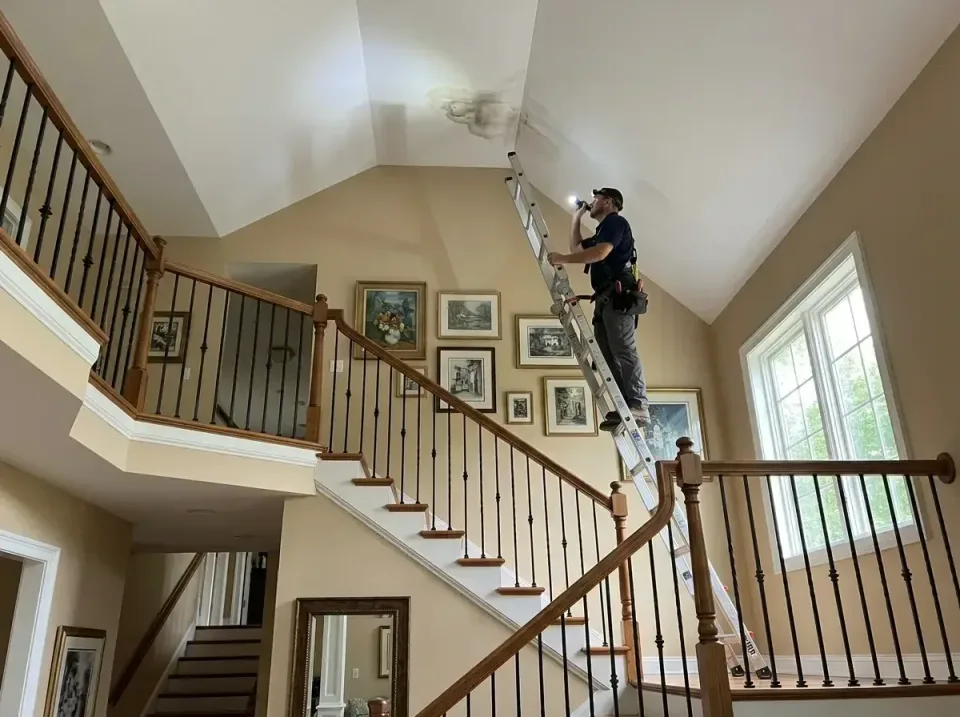
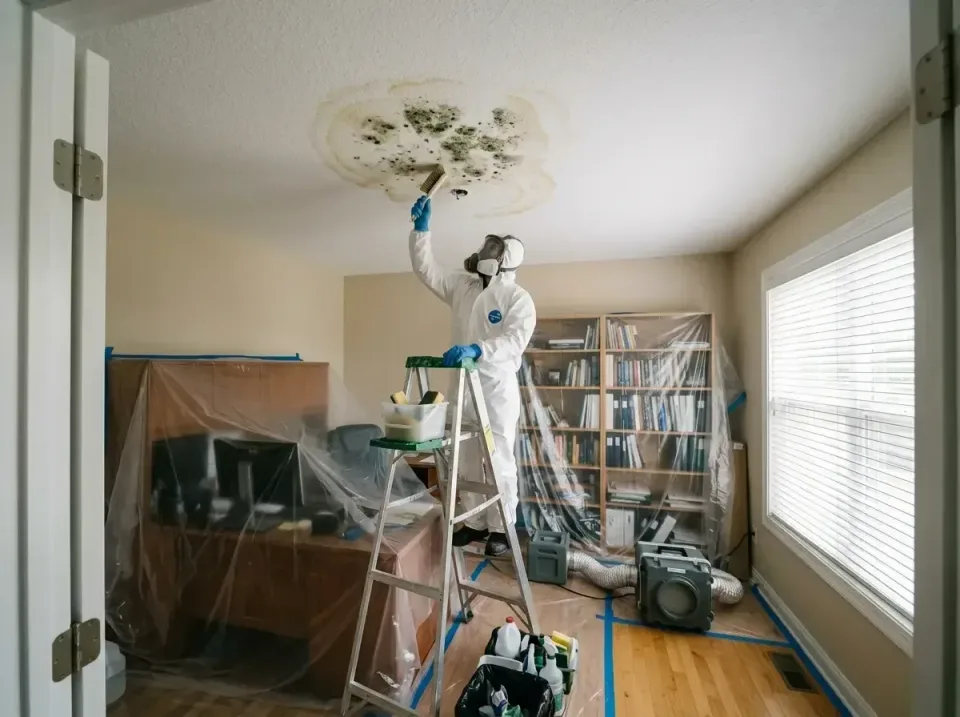
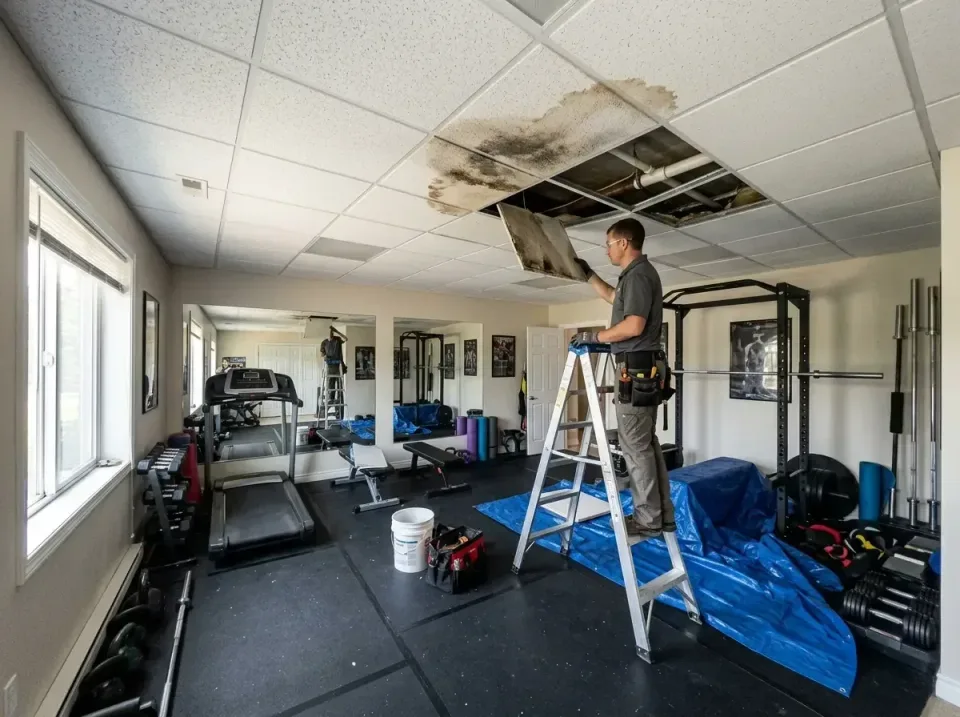
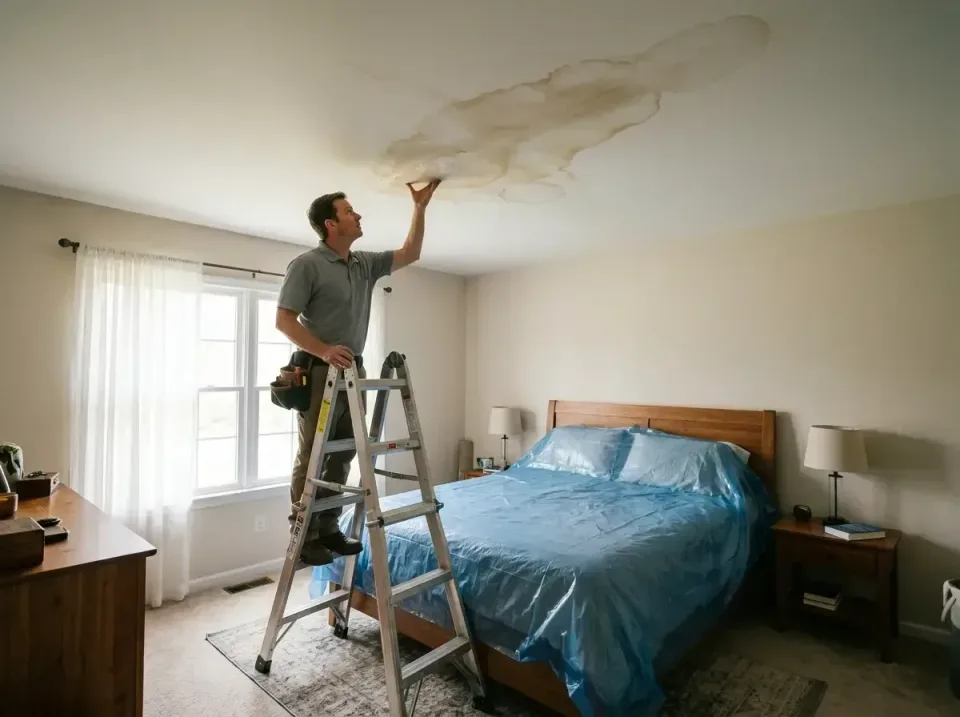
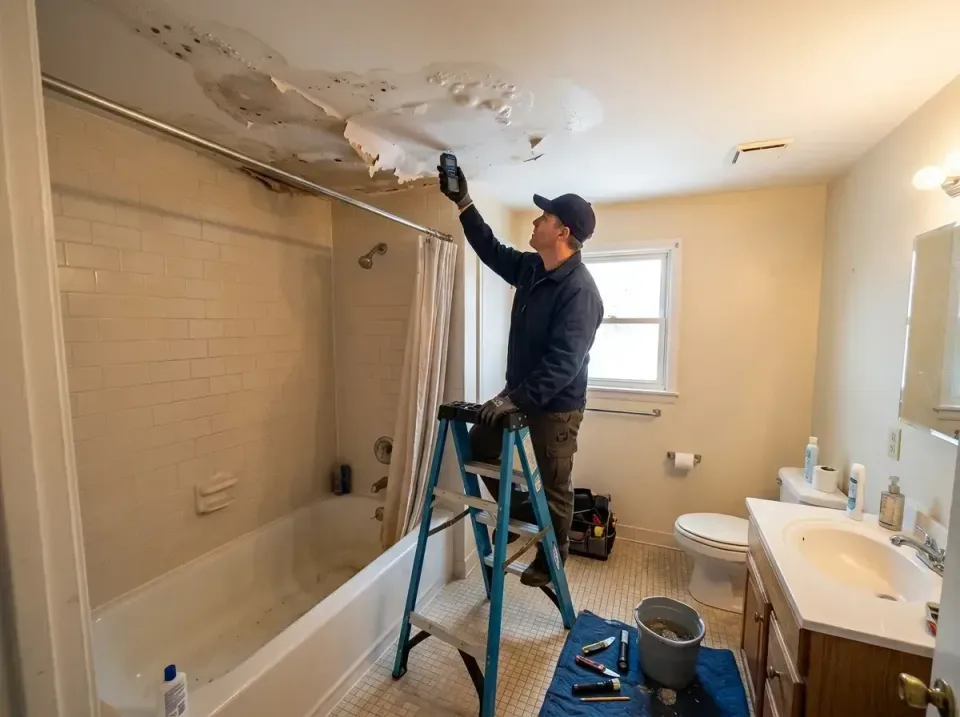
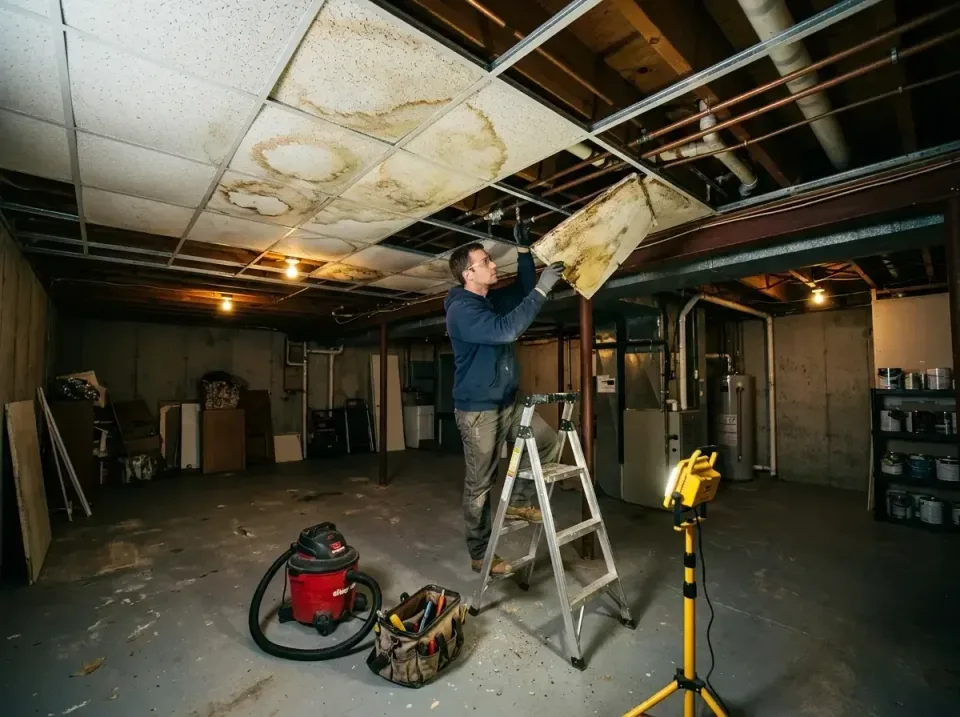
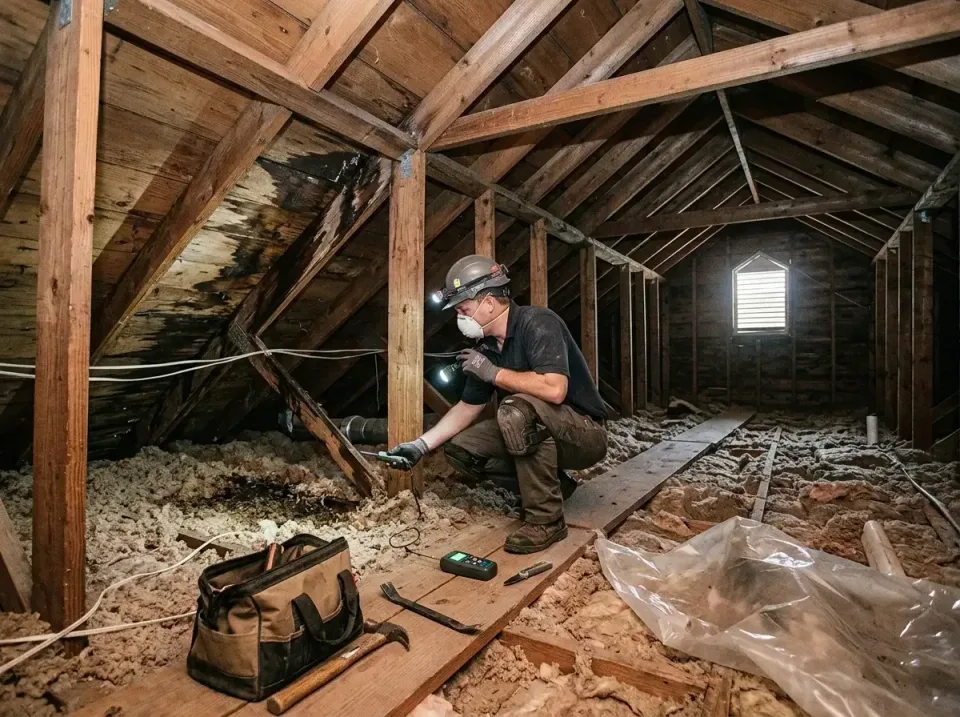
Recent emergency 24 hour ceiling water damage repair project photos in Dallas.


Browse by State
Select your region to see local emergency 24 hour ceiling water damage repair providers and cities we cover.
Request a Quote in Dallas
Fill in the details below and a local emergency 24 hour ceiling water damage repair provider will follow up. Or call us directly: (833) 710-2743
Need Emergency 24 Hour Ceiling Water Damage Repair in Dallas?
Call or email us directly — we'll get back to you fast.